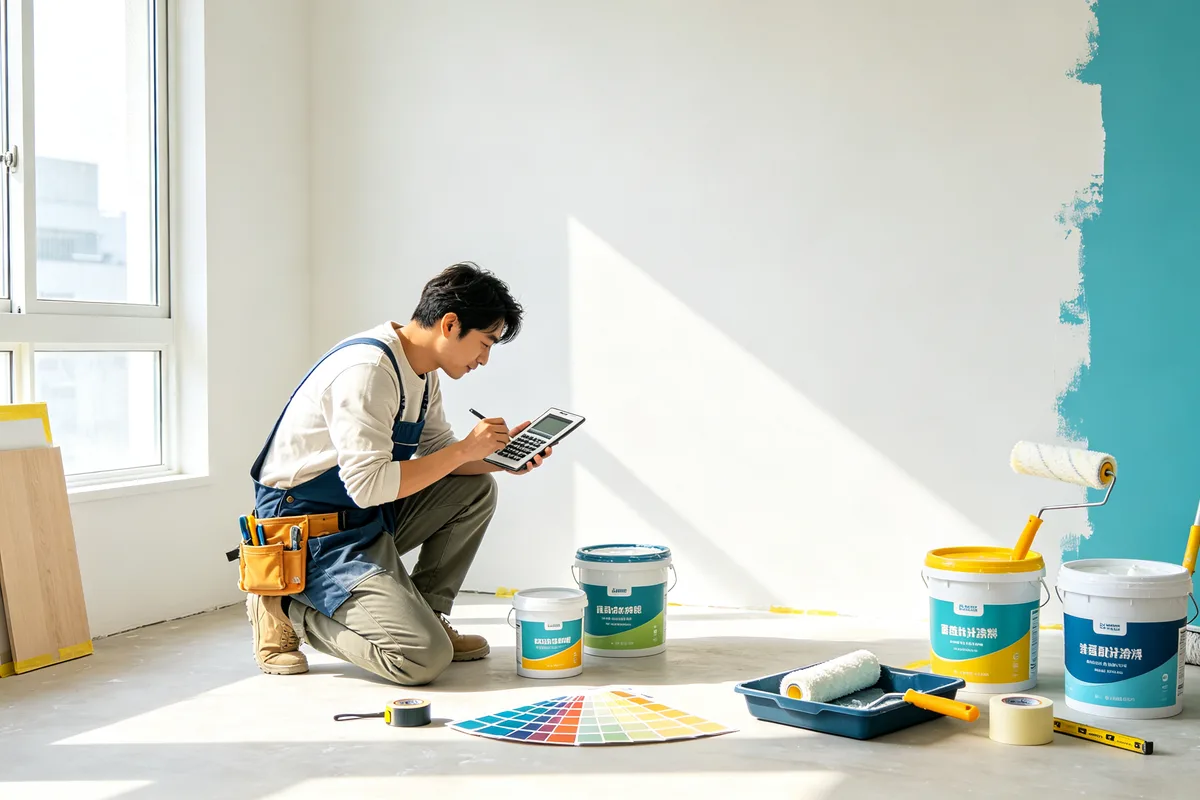
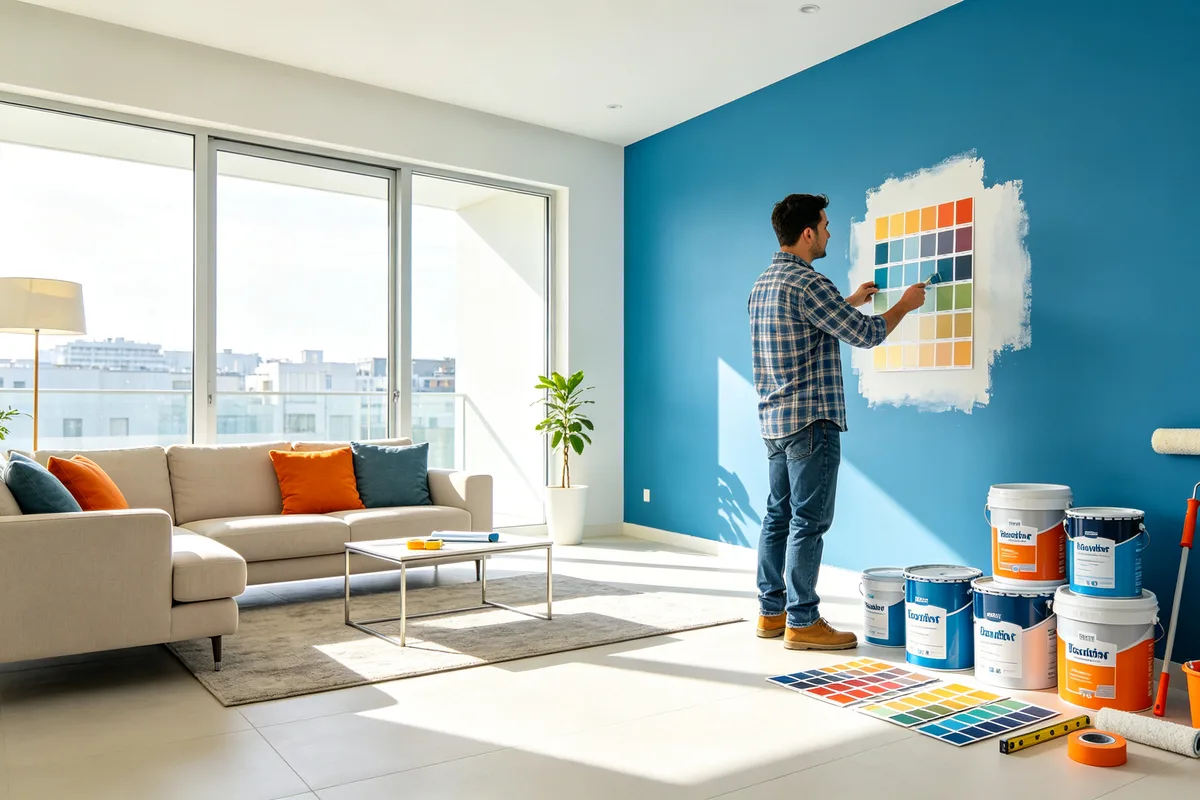
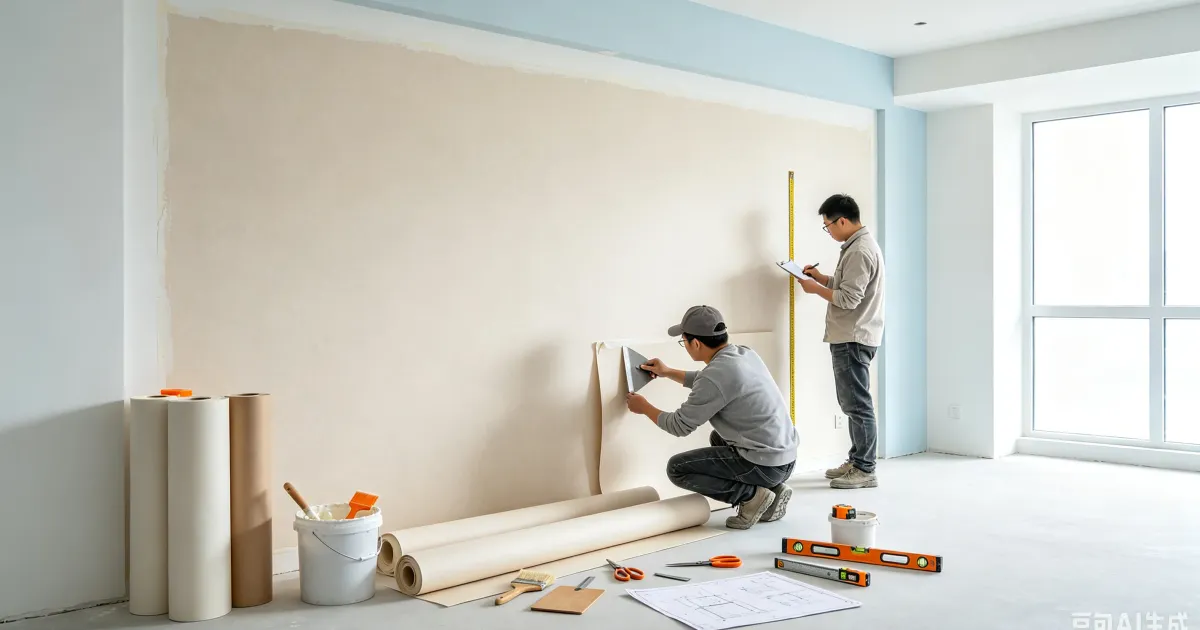
When it comes to wall finishes for your home, paint and wallpaper are the two most popular options. Each has its own advantages and disadvantages, making the choice depend on your budget, style preferences, and lifestyle. Whether you're renovating a living room, bedroom, kitchen, or bathroom, understanding the differences between paint and wallpaper can help you make an informed decision. In this comprehensive guide, we'll compare paint and wallpaper across multiple factors, provide cost calculations, and help you determine which option is best for each room in your home. We'll also show you how to use our [Paint Calculator](/tools/paint-calculator/) and [Wallpaper Calculator](/tools/wallpaper-calculator/) to estimate materials accurately.
Paint vs Wallpaper: Quick Comparison
Here's a side-by-side comparison of paint and wallpaper across key factors:
| Factor | Paint | Wallpaper |
|---|---|---|
| Cost | Lower upfront cost | Higher upfront cost |
| Installation | DIY-friendly, quicker | More complex, requires skill |
| Design Options | Unlimited colors, limited textures | Patterns, textures, and designs |
| Durability | Good, scratches visible | Very durable, hides imperfections |
| Maintenance | Easy to clean, touch-ups simple | Harder to clean, stains permanent |
| Moisture Resistance | Good with proper finish | Poor, needs special treatment |
Advantages of Wall Paint
Paint offers several benefits that make it a popular choice for homeowners:
- Lower cost: Paint is generally more affordable than wallpaper, especially for large rooms. A gallon of quality paint covers 350 sq ft, making it cost-effective for most projects.
- Easy color changes: Changing paint color is simple and relatively inexpensive. You can repaint walls whenever you want a fresh look without removing old material.
- Simple maintenance: Painted walls are easy to clean with mild soap and water. Touch-ups are straightforward, especially if you save leftover paint.
- Suitable for most rooms: Paint works well in all rooms, including high-humidity areas like bathrooms and kitchens when using the right sheen level.
Advantages of Wallpaper
Wallpaper offers unique benefits that paint cannot match:
- More design options: Wallpaper comes in countless patterns, colors, and styles—from subtle textures to bold prints—that would be impossible to achieve with paint.
- Texture and patterns: Wallpaper adds depth and texture to walls, creating visual interest and hiding surface imperfections that paint would highlight.
- Better wall coverage: Wallpaper covers uneven walls, cracks, and imperfections seamlessly. It's ideal for older homes with less-than-perfect surfaces.
- Long-lasting decoration: High-quality wallpaper can last 10-15 years or more with proper care, making it a durable long-term investment.
Paint vs Wallpaper Cost Comparison
Let's compare costs using a real-world example. Suppose you have a room that's 12 ft × 14 ft with 8 ft ceilings.
- Room: 12 ft × 14 ft, Wall height: 8 ft
- Wall Area = 2 × (12 + 14) × 8 = 416 sq ft
- Paint Example:
- Coverage: 350 sq ft/gallon
- Gallons needed = 416 ÷ 350 = 1.19 gallons per coat
- 2 coats = 2.38 gallons
- With 10% waste = 2.62 gallons
- Cost: $35-$50 per gallon × 3 gallons = $105-$150
- Wallpaper Example:
- Roll coverage: 56 sq ft/roll
- Rolls needed = 416 ÷ 56 = 7.43 rolls
- With 10% waste = 8.17 rolls → 9 rolls
- Cost: $25-$100 per roll × 9 = $225-$900
Which Is Better for Different Rooms?
Different rooms have different requirements. Here's how paint and wallpaper perform in each area:
- Living Room: Both work well. Wallpaper adds texture and style, while paint offers flexibility for changing decor. Consider combining both—wallpaper one accent wall and paint the rest.
- Bedroom: Wallpaper creates a cozy, textured feel ideal for bedrooms. Opt for low-VOC wallpaper for better indoor air quality. Paint is also a great choice for calming color schemes.
- Kitchen: Paint is generally better for kitchens due to moisture and grease concerns. Use satin or semi-gloss paint that's easy to clean. Wallpaper can work but needs special moisture-resistant treatment.
- Bathroom: Paint is the safer choice for bathrooms. Look for mold-resistant paint with satin or semi-gloss finish. Wallpaper is not recommended for high-humidity bathrooms unless using vinyl wallpaper specifically designed for wet areas.
Installation Differences
The installation processes for paint and wallpaper are very different: **Painting process:** 1. Prepare surfaces by cleaning, patching holes, and sanding 2. Apply primer (especially for dark colors or new drywall) 3. Apply 1-2 coats of paint using brushes, rollers, or sprayers 4. Allow proper drying time between coats 5. Touch up any imperfections **Wallpaper installation process:** 1. Prepare surfaces by cleaning and smoothing 2. Measure walls and cut wallpaper to size, accounting for pattern repeat 3. Apply adhesive to wallpaper or walls 4. Hang wallpaper carefully, aligning patterns 5. Smooth out air bubbles and trim edges 6. Allow adhesive to dry completely Painting is generally faster and more DIY-friendly, while wallpaper installation requires more skill and precision.
Tips for Choosing Between Paint and Wallpaper
Follow these tips to make the best decision for your home:
- Consider your budget: Paint is more budget-friendly for large areas. Reserve wallpaper for accent walls or smaller rooms if cost is a concern.
- Check room humidity: Avoid wallpaper in bathrooms and kitchens with high humidity. Paint is the safer choice for these areas.
- Think about future changes: If you like to redecorate frequently, paint is easier to change. Wallpaper is more permanent and harder to remove.
- Consider maintenance: Painted walls are easier to clean and touch up. Wallpaper stains are often permanent and difficult to repair.
- Combine paint and wallpaper: Use wallpaper on one accent wall and paint the rest for a balanced look that adds visual interest without overwhelming the space.
- Choose suitable materials: For paint, use satin or semi-gloss for high-traffic areas. For wallpaper, choose vinyl or washable varieties for durability.